ESTATE PLANNING ATTORNEY · AKRON, OH
Special Needs Trusts in Akron, OH
Spatz Law Group creates special needs trusts for families in Akron and across Northeast Ohio, so a loved one with a disability is cared for for life without losing the benefits they depend on.

Worried an inheritance will cost them their benefits
It feels backward, but leaving money directly to a loved one with a disability can hurt them. Programs like SSI generally limit countable savings to $2,000, so an inheritance can cut off benefits they rely on, including Medicaid. A special needs trust holds that money instead. Because it's never theirs outright, it can pay for therapies, equipment, education and the extras that make life fuller, while their benefits stay in place. For many Akron families, protecting Medicaid also protects services through the Summit County Board of Developmental Disabilities, since waiver services there depend on Medicaid eligibility.
Who will look after them when we're gone
This is the question that weighs on every parent of a child with special needs. The trust names a trustee to manage the money, with backups, and can include guidance about your loved one's routines, care and what makes them happy. Ohio also offers STABLE accounts, a tax-advantaged savings account for people with disabilities that can work alongside a trust for everyday expenses.
Grandparents and relatives who leave money directly
Even with a trust in place, a well-meaning grandparent can undo it by naming your child directly in a will or on a life insurance policy. Part of the plan is making sure the whole family knows to name the trust instead, so every gift helps your loved one rather than putting their benefits at risk.
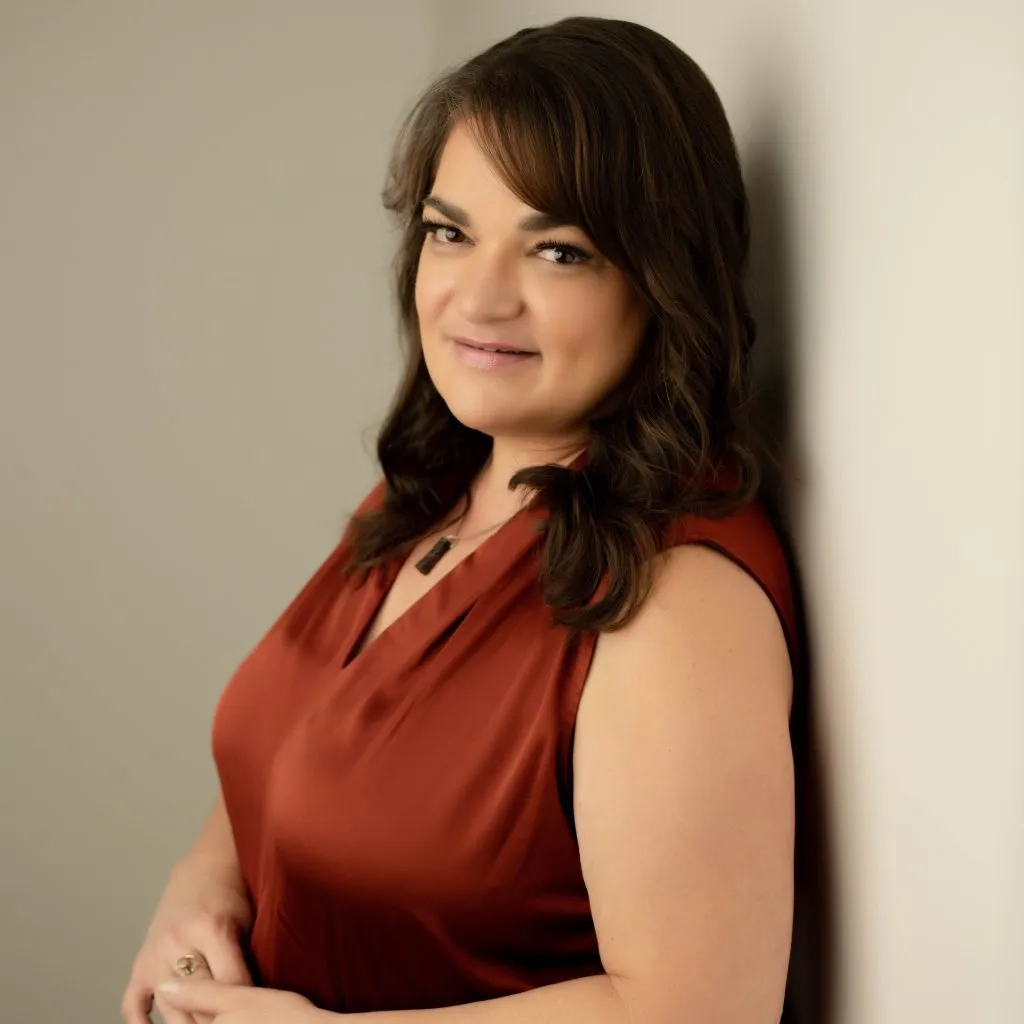
Your attorney
Debra A. Spatz
Licensed in Ohio since 2008 · Ohio Supreme Court Reg. #0083356
Chicago-Kent College of Law · University of Illinois, Finance
Meet DebraBefore your first conversation
Bring a list of the benefits your loved one receives, such as SSI or Medicaid, and any existing trust or STABLE account. Names of possible trustees help too.
★★★★★Google review
If you are looking for a local estate attorney in Bath, Ohio, Deb Spatz with Spatz Law Group is truly exceptional. I know several people who have worked with Deb, and they consistently share nothing but positive experiences. Deb takes the time to get to know you and your story, allowing her to create a plan that brings real peace of mind for you and your family. She even offers the option to record a legacy video for your loved ones, which is an incredibly meaningful and lasting gift. Do not wait until it is too late. I highly recommend calling Deb today.
Frequently Asked Questions
What's the difference between a first-party and a third-party special needs trust?
A third-party trust holds money from parents, grandparents or others, and whatever remains after your loved one passes can go to other family members. A first-party trust holds your loved one's own money, like a settlement, and generally must repay Medicaid from what's left. Most parents set up a third-party trust as part of their own plan.
What can a special needs trust pay for?
It can pay for things that improve quality of life beyond what benefits cover, like therapies, medical equipment, education, travel, recreation and personal care. Since 2024, the trust can pay for food without reducing SSI. Paying for housing, like rent or utilities, can still reduce SSI, so the trustee should understand the rules before making those payments.
Can a sibling be the trustee?
Yes, and many families choose a sibling. It works best when that person is organized and willing, and when there's a backup named. Some families pair a sibling with a professional trustee who handles the benefits rules.
What is a STABLE account?
STABLE is Ohio's version of an ABLE account, a savings account for people whose disability began before age 46. Money in it generally doesn't count against SSI or Medicaid limits up to certain amounts, and it's handy for everyday expenses. It complements a special needs trust rather than replacing it.
Do we need a special needs trust if our child is still young?
Yes. The trust protects your child if something happens to you, at any age. Without it, an inheritance could go to your child outright or to a court-supervised guardianship, either of which can put their benefits at risk.
What happens when my child with a disability turns 18?
At 18, your child becomes a legal adult, and you no longer automatically have authority to make medical or financial decisions for them. Depending on their abilities, options range from a power of attorney your child signs, to a guardianship through the probate court. Debra helps you plan for that transition as part of the same plan.
What is a letter of intent?
It's a written guide for the trustee and future caregivers, describing your loved one's routines, medical needs, preferences and what makes them happy. It isn't legally binding, but it may be the most useful thing you leave behind. Many families write one alongside the trust and update it as things change.