ESTATE PLANNING ATTORNEY · AKRON, OH
Estate Tax Planning in Akron, OH
Spatz Law Group helps families in Akron and across Northeast Ohio with larger estates plan around federal estate tax, so more of what you've built goes to your children instead of the IRS.

Not sure your estate is big enough to worry about
Ohio repealed its estate tax in 2013, and the federal exemption is $15 million per person in 2026, or $30 million for a married couple. Most families will never owe estate tax. But estates grow, and people often underestimate theirs. Your Estate Planning Session looks at everything you own so you know where you stand, and whether tax planning is worth it for you.
Figures updated for 2026.
Forgetting that life insurance and retirement accounts count
Your taxable estate includes more than your house and bank accounts. Life insurance you own, retirement accounts and the value of a business all count, and together they can push an estate higher than expected. Debra's finance background helps here. She looks at the full picture and uses tools like an irrevocable life insurance trust to move a large policy outside your estate.
Wasting your spouse's exemption
When one spouse dies, the unused part of their federal exemption can pass to the surviving spouse, but only if an estate tax return is filed, even when no tax is owed. Families often skip that step because nothing is due, and lose millions in exemption they may later need. Your plan makes sure that election isn't missed.
For most families, the bigger tax question is capital gains
If your estate is under the exemption, estate tax isn't the issue, but income tax can be. When your children inherit your home or investments at your death, the cost basis generally resets to the value on that date, so they can often sell with little or no capital gains tax. If you give the same assets away during your lifetime, your children keep your original cost basis and may owe tax on decades of growth when they sell. Your plan looks at which assets to give now and which to leave at death.
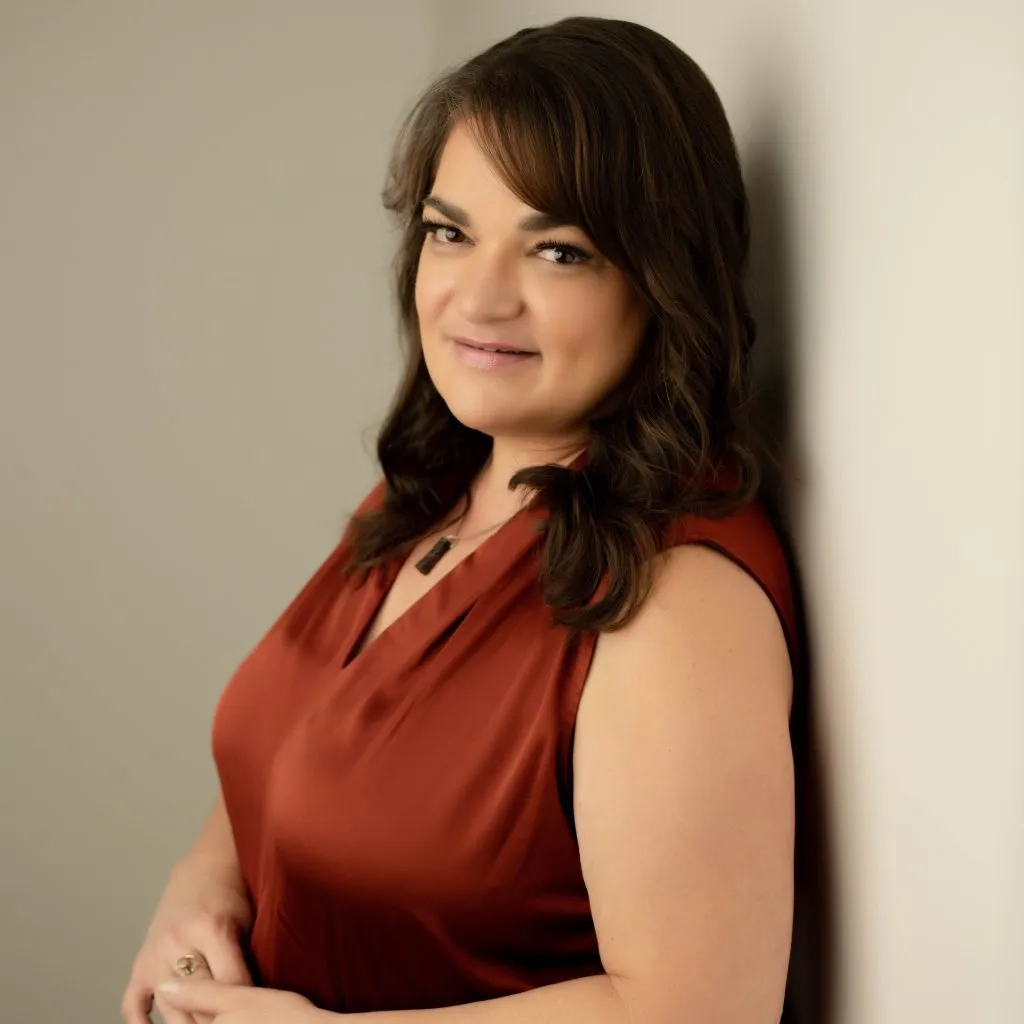
Your attorney
Debra A. Spatz
Licensed in Ohio since 2008 · Ohio Supreme Court Reg. #0083356
Chicago-Kent College of Law · University of Illinois, Finance
Meet DebraBefore your first conversation
Bring a rough list of everything you own with estimated values, including life insurance, retirement accounts and any business, plus any prior gift tax returns.
★★★★★Google review
If you are looking for a local estate attorney in Bath, Ohio, Deb Spatz with Spatz Law Group is truly exceptional. I know several people who have worked with Deb, and they consistently share nothing but positive experiences. Deb takes the time to get to know you and your story, allowing her to create a plan that brings real peace of mind for you and your family. She even offers the option to record a legacy video for your loved ones, which is an incredibly meaningful and lasting gift. Do not wait until it is too late. I highly recommend calling Deb today.
Frequently Asked Questions
Does Ohio have an estate or inheritance tax?
No. Ohio repealed its estate tax for deaths on or after January 1, 2013, and it doesn't have an inheritance tax. If you own property in another state, like a cabin in Pennsylvania, that state's taxes may apply, so your plan should account for it.
What is the federal estate tax exemption in 2026?
It's $15 million per person, or $30 million for a married couple. Under the 2025 tax law, that amount no longer drops back down and is adjusted for inflation. Estates above that amount can owe federal estate tax on the excess. Congress can still change the law, so it's worth a review if it does.
How much can I give away each year without paying gift tax?
In 2026, you can give up to $19,000 per person to as many people as you like without filing a gift tax return. Married couples can give $38,000 per person together, though splitting a gift that way usually requires filing a gift tax return. Larger gifts count against your lifetime exemption.
What is portability?
Portability lets a surviving spouse use the unused part of their late spouse's federal exemption. It isn't automatic. An estate tax return has to be filed after the first death to claim it, even if no tax is owed.
Is estate tax planning only for the very wealthy?
Tax planning matters mainly for larger estates. But the same planning, like trusts for life insurance or a family business, often also protects your family from probate, creditors or a child's future divorce. Debra tells you plainly which parts are worth it for you.
Should I put my house in my children's names now?
Usually not, for tax reasons alone. A home given during your lifetime carries your original cost basis, so your children could owe capital gains tax when they sell it. A home inherited at death generally gets a stepped-up basis. A revocable trust or a transfer on death designation can keep the house out of probate without giving up that tax benefit.