ESTATE PLANNING ATTORNEY · AKRON, OH
Marital Trusts in Akron, OH
Spatz Law Group designs marital trusts for married couples across Akron and Northeast Ohio, so your spouse is cared for for life and your children still receive what you intend.

Providing for your spouse without disinheriting your kids
Leaving everything outright to your spouse is simple, but it gives up control. Your spouse could remarry, change their will or spend down what you meant for your children. A marital trust pays income to your spouse for the rest of their life, and can provide more for health and support, then passes what remains to the beneficiaries you choose. It's especially valuable in a second marriage.
Deferring estate tax until the second death
Assets left to a spouse in the right kind of trust can qualify for the federal marital deduction, so no estate tax is due when the first spouse dies. The tax question waits until the surviving spouse passes, and your spouse has the trust's income in the meantime. Unlike leaving everything outright, the first spouse still decides where the remainder ultimately goes. Ohio has no estate tax, and with the federal exemption at $15 million per person in 2026, most couples won't owe estate tax at all. For larger estates, or if the exemption changes, this deferral can protect a great deal of what you've built.
Choosing who manages the trust
Your spouse can often serve as trustee, and in a first marriage that's usually the natural choice. In a blended family it can be harder. Putting a stepparent in charge of money meant for your children can strain relationships on both sides, even when everyone means well. Some couples name a child as co-trustee alongside the spouse, so both sides have a voice. Others choose a neutral trustee, like a trusted friend or a professional, who can make fair decisions without family pressure. Debra helps you weigh what will keep everyone protected and still on speaking terms.
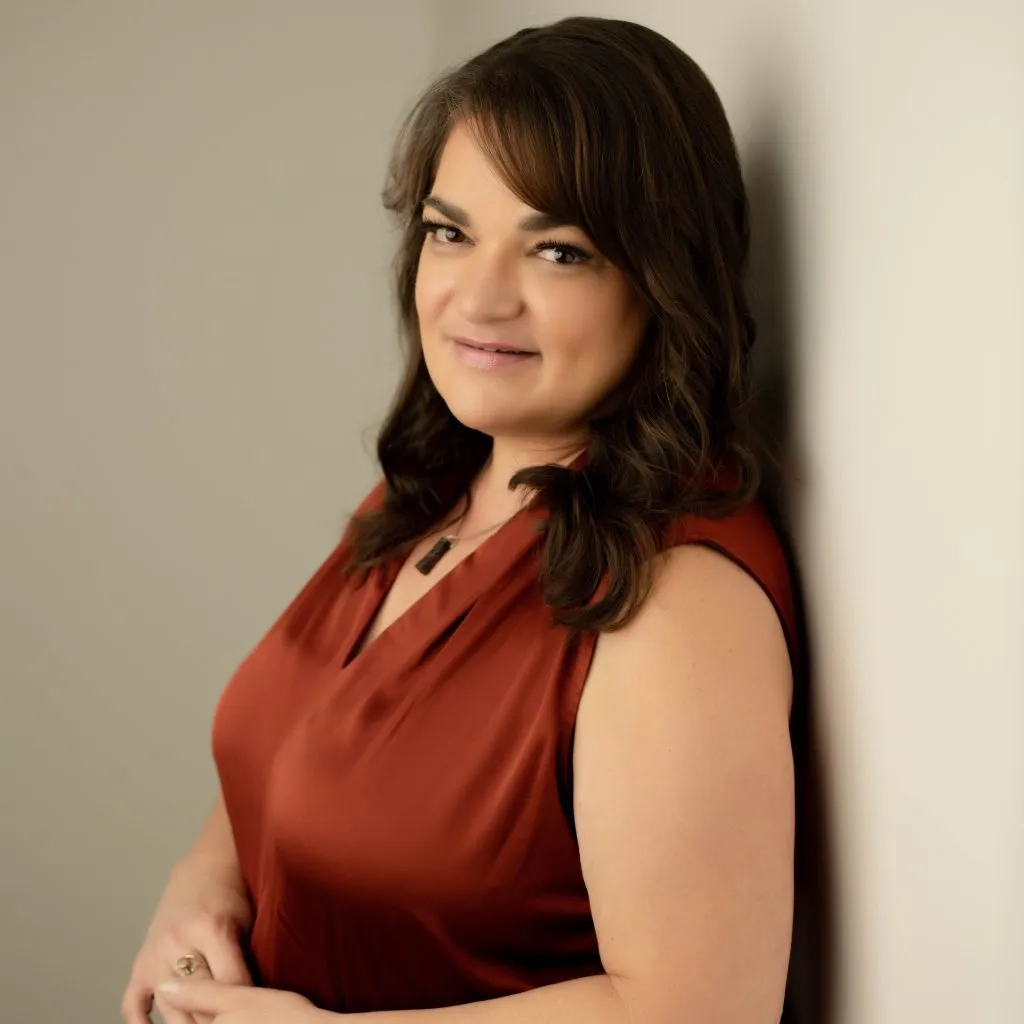
Your attorney
Debra A. Spatz
Licensed in Ohio since 2008 · Ohio Supreme Court Reg. #0083356
Chicago-Kent College of Law · University of Illinois, Finance
Meet DebraBefore your first conversation
Bring both spouses' existing wills or trusts, a list of what each of you owns, and the names of each of your children, including any from prior relationships.
★★★★★Google review
If you are looking for a local estate attorney in Bath, Ohio, Deb Spatz with Spatz Law Group is truly exceptional. I know several people who have worked with Deb, and they consistently share nothing but positive experiences. Deb takes the time to get to know you and your story, allowing her to create a plan that brings real peace of mind for you and your family. She even offers the option to record a legacy video for your loved ones, which is an incredibly meaningful and lasting gift. Do not wait until it is too late. I highly recommend calling Deb today.
Frequently Asked Questions
What is a QTIP trust?
It's a common kind of marital trust. The surviving spouse receives all of the trust's income for life, and the first spouse to die chooses who receives what remains. When the right election is made on the estate tax return, it qualifies for the marital deduction, so no estate tax is due at the first death.
Can my spouse use the trust's principal, not just the income?
Yes, if you want them to. Many marital trusts allow the trustee to pay principal for your spouse's health, education, maintenance and support. You decide how much flexibility to give, balancing your spouse's needs against what you want left for your children.
Does a marital trust avoid probate?
It can. When the marital trust is created inside your revocable living trust, it takes effect without probate when you die. If it's created in your will instead, the assets go through probate first.
Is a marital trust only for wealthy couples?
No. Tax savings matter mainly for larger estates, but many couples use a marital trust simply to control where assets go after both spouses pass. That control is often the main reason in a second marriage.
Does a marital trust help if we'll never owe estate tax?
It can. Besides controlling where assets go, assets in this kind of marital trust are generally counted in the surviving spouse's estate, so they usually get a fresh cost basis when the second spouse dies. That can let your children sell inherited investments or property with little or no capital gains tax.
We have an old A-B trust plan. Do we still need it?
Maybe not in its current form. Many plans written when the federal exemption was much lower automatically split assets into a separate trust at the first death to save estate tax. With today's exemption, that split may no longer save tax and can cost your children the fresh cost basis described above. If your plan was written under older rules, it's worth a review.
What happens to the trust when my spouse dies?
The remaining assets pass to the beneficiaries named by the first spouse, such as your children. For tax purposes, the trust's value is generally counted in the surviving spouse's estate at that point, which your plan accounts for.