ESTATE PLANNING ATTORNEY · AKRON, OH
Estate Planning for Blended Families in Akron, OH
Spatz Law Group helps blended families in Akron and across Northeast Ohio build a plan that cares for your spouse and still makes sure your children receive what you intend.

Accidentally disinheriting your children
In a second marriage, the simplest plan is often the riskiest. If everything goes to your spouse, your spouse can later leave it all to their own children, and your kids from a prior marriage can end up with nothing, not even the photos. A plan built for blended families provides for your spouse during their lifetime, then passes what remains to the children you choose. For how this kind of trust works, see Marital Trusts.
Ohio's spousal rights can override your will
Ohio gives a surviving spouse rights your will can't simply erase. Your spouse can choose a share set by law instead of what your will provides, and can generally remain in the family home for a year after your death. Your plan accounts for these rules from the start, so there are no surprises that pit your spouse against your children after you're gone.
Keeping peace between your spouse and your kids
Even with the best intentions, putting a stepparent and adult children in charge of the same money can strain relationships. Choosing a neutral trustee, being clear about timing, and explaining your reasoning in writing can prevent hard feelings. The goal is a plan that protects everyone you love and keeps the family talking to each other.
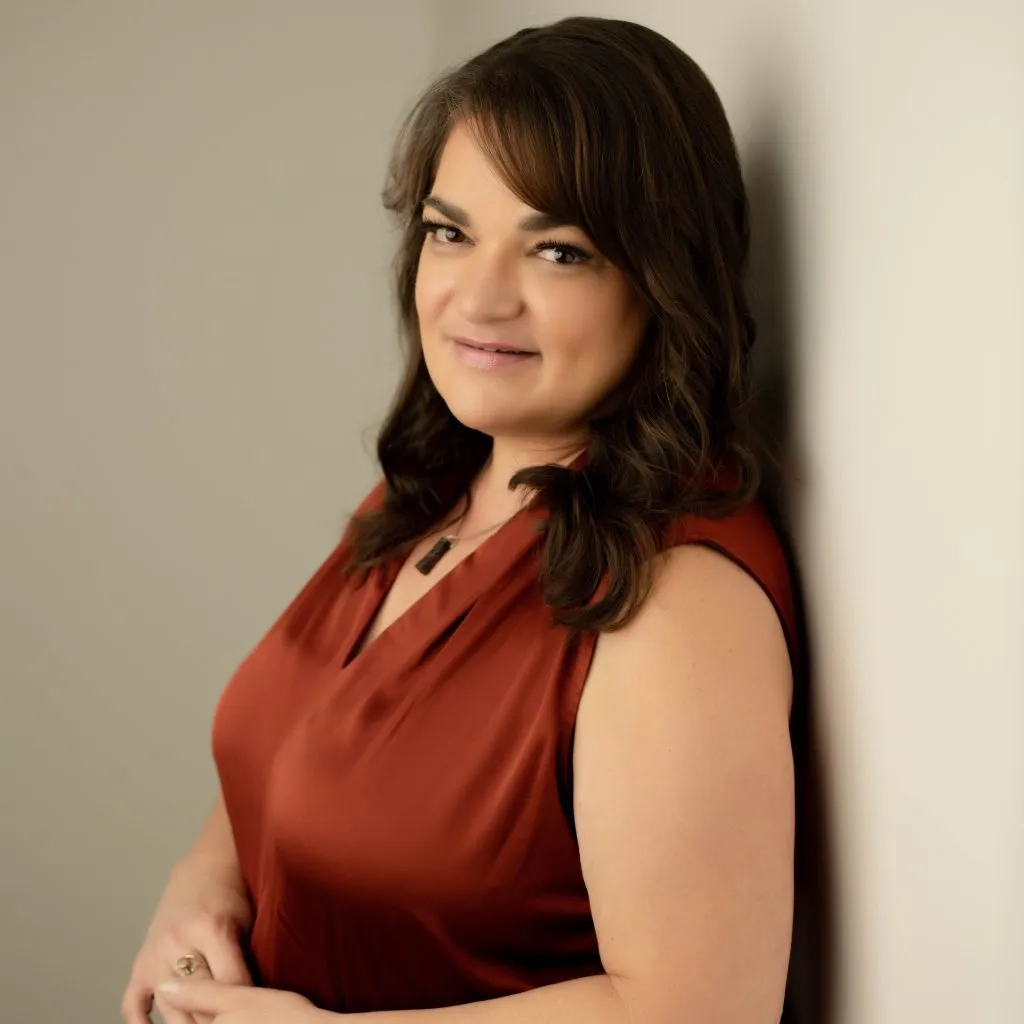
Your attorney
Debra A. Spatz
Licensed in Ohio since 2008 · Ohio Supreme Court Reg. #0083356
Chicago-Kent College of Law · University of Illinois, Finance
Meet DebraBefore your first conversation
Bring both spouses' existing wills or trusts, any prenuptial agreement, and a list of each spouse's children and what each brought into the marriage.
★★★★★Google review
If you are looking for a local estate attorney in Bath, Ohio, Deb Spatz with Spatz Law Group is truly exceptional. I know several people who have worked with Deb, and they consistently share nothing but positive experiences. Deb takes the time to get to know you and your story, allowing her to create a plan that brings real peace of mind for you and your family. She even offers the option to record a legacy video for your loved ones, which is an incredibly meaningful and lasting gift. Do not wait until it is too late. I highly recommend calling Deb today.
Frequently Asked Questions
Can I leave my house to my kids but let my spouse live there?
Yes. A trust can let your spouse live in the home for life, or for a set period, and then pass it to your children. The plan can also say who pays the taxes, insurance and upkeep while your spouse lives there.
How can I provide for both my spouse and my children from a prior marriage?
One common approach is life insurance. A policy payable to your children, or to a trust for them, gives them an inheritance right away, while your other assets provide for your spouse. Nobody has to wait for anyone else to pass away, which removes a lot of the tension between a stepparent and adult children.
Do stepchildren inherit under Ohio law?
Generally, no. Under Ohio's default rules, stepchildren usually don't inherit unless you name them in your plan or legally adopt them. If you want your stepchildren included, your plan needs to say so.
Should my spouse and I have separate plans?
Many blended families do best with coordinated but separate trusts, so each spouse controls what they brought into the marriage. Your Estate Planning Session helps you decide what fits your family.
Can my spouse claim my 401(k) even if I name my kids?
Often, yes. Federal rules generally give a spouse the right to a 401(k) unless they sign a written consent to another beneficiary. IRAs work differently. Your plan reviews every account so the beneficiaries match your wishes.
What happens if my spouse and I die at the same time?
Ohio's default rule treats spouses who die at nearly the same time as if each died first, so each spouse's property generally goes to their own family. The risk comes when one spouse survives a little longer, because then everything can pass through the survivor to the survivor's family. Your plan should say exactly what happens in both situations, so each of your families receives what you intend.